
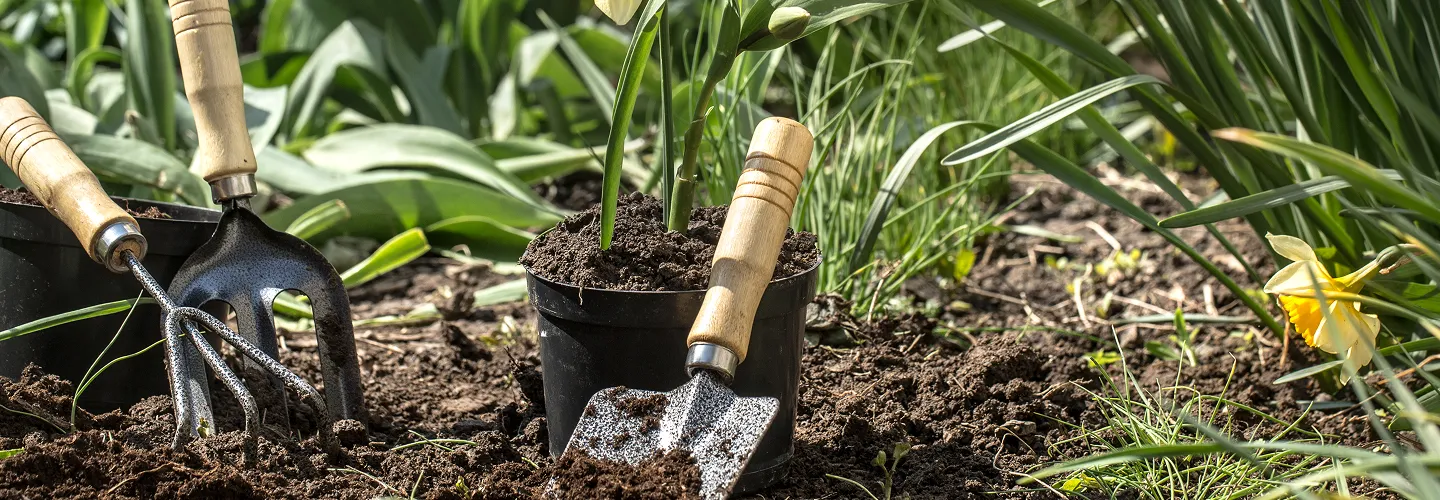
Willis Weeding Services
Choose Willis Weeding Services for reliable, thorough weed removal that keeps your garden healthy and beautiful all season long. Our expert team ensures your outdoor spaces stay pristine, so you can enjoy a weed-free yard without the hassle.
Get a Free QuoteOur Willis Landscaping & Yard Care Services
When to Schedule Weeding in Willis, Texas – Seasonal Guide
In Willis, Texas, the timing of weeding is crucial for maintaining healthy, attractive landscapes throughout the year. Thanks to our region’s humid subtropical climate, with hot summers and mild winters, weeds can thrive nearly year-round if not managed properly. The optimal periods for weeding are typically early spring and late fall, when soil moisture is higher and temperatures are moderate. This allows for easier removal and helps prevent rapid regrowth. Neighborhoods near Lake Conroe and the shaded lots around Cude Cemetery often experience unique challenges, such as increased humidity and dense tree coverage, which can influence weed growth patterns.
Local environmental factors play a significant role in determining the best weeding schedule. For example, the last frost date in Willis usually falls in early March, signaling the start of the active growing season. Areas with sandy or clay-heavy soils, like those near the intersection of FM 1097 and Longstreet Road, may require more frequent attention due to faster weed germination. Additionally, municipal guidelines and seasonal drought risks—information available through resources like the Town of Sudbury’s environmental updates—should be considered when planning your weeding routine.
Local Factors to Consider for Weeding in Willis
- Tree density and shade coverage, especially in neighborhoods like Frontier Lakes
- Soil type (sandy, clay, or loamy) affecting weed growth and removal ease
- Seasonal precipitation patterns and drought risk
- Proximity to water sources such as Lake Conroe
- Municipal restrictions or guidelines on herbicide use
- Terrain and slope, which can impact runoff and weed spread
Benefits of Weeding in Willis
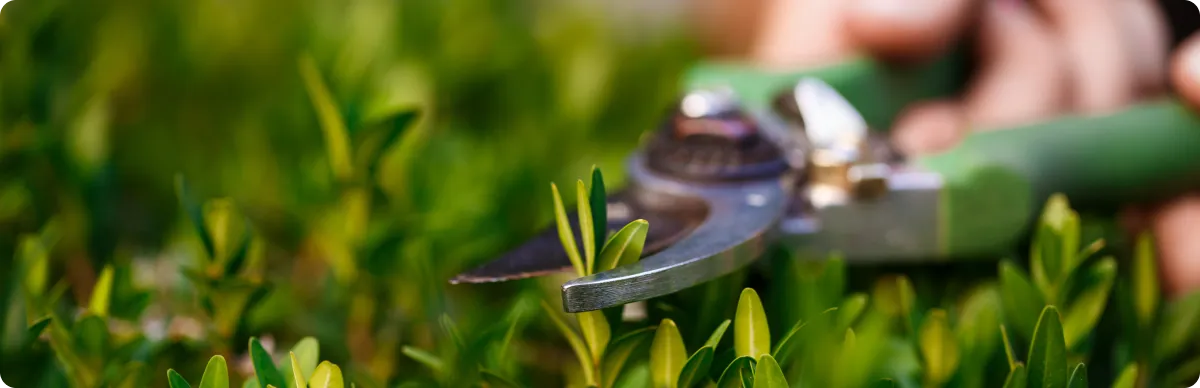
Professional Landscaping Expertise
Enhanced Curb Appeal
Weed Prevention Solutions
Time and Effort Savings
Eco-Friendly Practices
Consistent Lawn Health
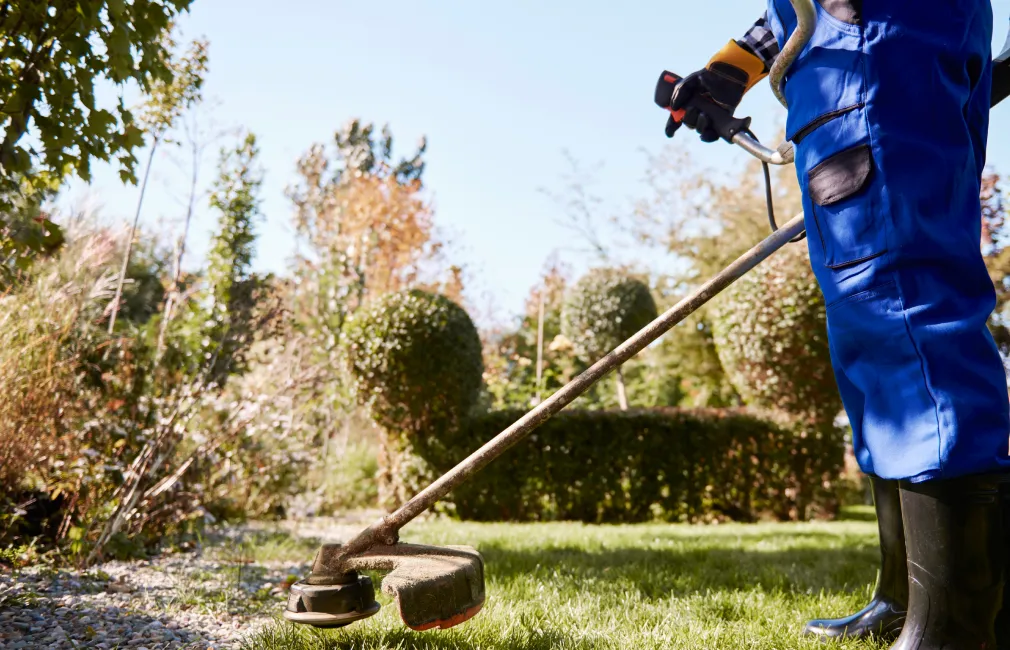
Willis Weeding Types

Hand Weeding
-
Mechanical Weeding
-
Chemical Weed Control
-
Mulching for Weed Suppression
-
Flame Weeding
-
Soil Solarization
-
Organic Weed Management
Our Weeding Process
Site Evaluation
Weed Identification
Targeted Removal
Soil Treatment
Final Inspection
Why Choose Willis Landscape Services
-
Willis Homeowners Trust Us
-
Expert Lawn Maintenance
-
Reliable Scheduling
-
Competitive Pricing
-
Professional Team
-
Satisfaction Guarantee
-
Personalized Service
Soil Series and Drainage Considerations for Weeding in Willis’s Blackland Prairie
Weeding practices in Willis must account for the city’s predominant soil types, including Houston Black clay and Ferris clay loam, as identified by the USDA Web Soil Survey. These Vertisols are characterized by high clay content, pH levels typically ranging from 7.5 to 8.2, and poor drainage, leading to seasonal water retention and compaction. Effective weed removal requires mechanical extraction to a depth of 3-4 inches to disrupt root systems in dense clay. Soil amendments such as compost (2-3 inches tilled to 6-inch depth) and gypsum are recommended to improve structure and reduce compaction. Soil testing is available through Texas A&M AgriLife Extension for $15-25 per sample. Avoid chemical weed control during saturated conditions to prevent runoff into local waterways, including Lake Conroe and nearby streams.
Municipal Ordinances and Weeding Equipment Operation Hours in Willis
Weeding activities in Willis are regulated under city nuisance and property maintenance ordinances, which require regular removal of overgrown vegetation and invasive species. Equipment operation is permitted during the following hours:
- Monday-Friday: 7:00 AM - 7:00 PM
- Saturday: 8:00 AM - 6:00 PM
- Sunday and holidays: Prohibited Noise levels must not exceed 85 decibels at property lines. All green waste, including weeds and brush under 4 feet, must be placed in biodegradable bags or 32-gallon reusable bins for curbside collection on Thursdays, April through November. Plastic bags and branches over 4 inches in diameter are prohibited. For ordinance details and collection schedules:
Willis Code Enforcement Department
200 N Bell St, Willis, TX 77378
Phone: (936) 856-4611
Official Website: Willis Code Enforcement Department
Environmental Compliance: Stormwater, Buffer Zones, and State Regulations in Willis
Weeding near wetlands, drainage ditches, and Lake Conroe in Willis must comply with local and state environmental regulations. The Texas Water Code and Clean Water Act prohibit the discharge of yard waste or herbicides into storm drains. Maintain a 25-foot no-disturbance buffer from wetlands and a 50-foot setback from water bodies. The city’s MS4 permit, administered by the Texas Commission on Environmental Quality, requires that no green waste or soil be left on impervious surfaces or allowed to enter stormwater systems. For guidance on compliance and reporting violations:
Willis Public Works Department
200 N Bell St, Willis, TX 77378
Phone: (936) 856-4611
Official Website: Willis Public Works Department
Texas Commission on Environmental Quality
12100 Park 35 Circle, Austin, TX 78753
Phone: (512) 239-1000
Official Website: Texas Commission on Environmental Quality
Seasonal Timing and Weather Guidance for Weeding in Willis’s Climate Zone 8b
Willis is located in USDA Hardiness Zone 8b, with average annual minimum temperatures of 15-20°F and a growing season from mid-March through late November. Optimal weeding windows are:
- Spring: March 15 - May 30 (soil temp 55-70°F)
- Fall: September 1 - November 15 (before first frost) Avoid weeding during June-August due to heat stress and rapid weed regrowth. Monitor local weather conditions using the National Weather Service Houston/Galveston Office. For persistent perennial weeds, schedule removal before seed set, typically by late April. Mulching beds with 2-3 inches of organic material after weeding helps suppress regrowth and conserve soil moisture. For additional timing and plant health recommendations, consult Texas A&M AgriLife Extension.
What Neighborhoods Do We Serve Throughout Willis, TX?
- Lake Conroe Hills: Properties near Lake Conroe face high water tables and periodic flooding, requiring careful weed management to prevent runoff and protect aquatic habitats.
- Frontier Lakes: Newer developments with compacted fill soils and smaller lot sizes, where weed pressure is high and drainage is often limited.
- Cude Cemetery Area: Historic lots with mature trees and dense shade, leading to persistent broadleaf weed issues and unique maintenance challenges.
- Texas National: Gated community with HOA landscaping standards, requiring compliance with strict weed height and disposal regulations.
- Woodland Shores: Proximity to wetlands and conservation areas necessitates adherence to buffer zone requirements and limits on herbicide use.
- Downtown Willis: Older infrastructure, narrow streets, and alley access require manual weeding methods and coordination with city waste collection schedules.
- Emerald Lakes: Large lots with mixed clay and sandy soils, presenting variable drainage and weed species diversity, especially along property boundaries.